
The Last Princesses of Punjab: A History Told Through Women
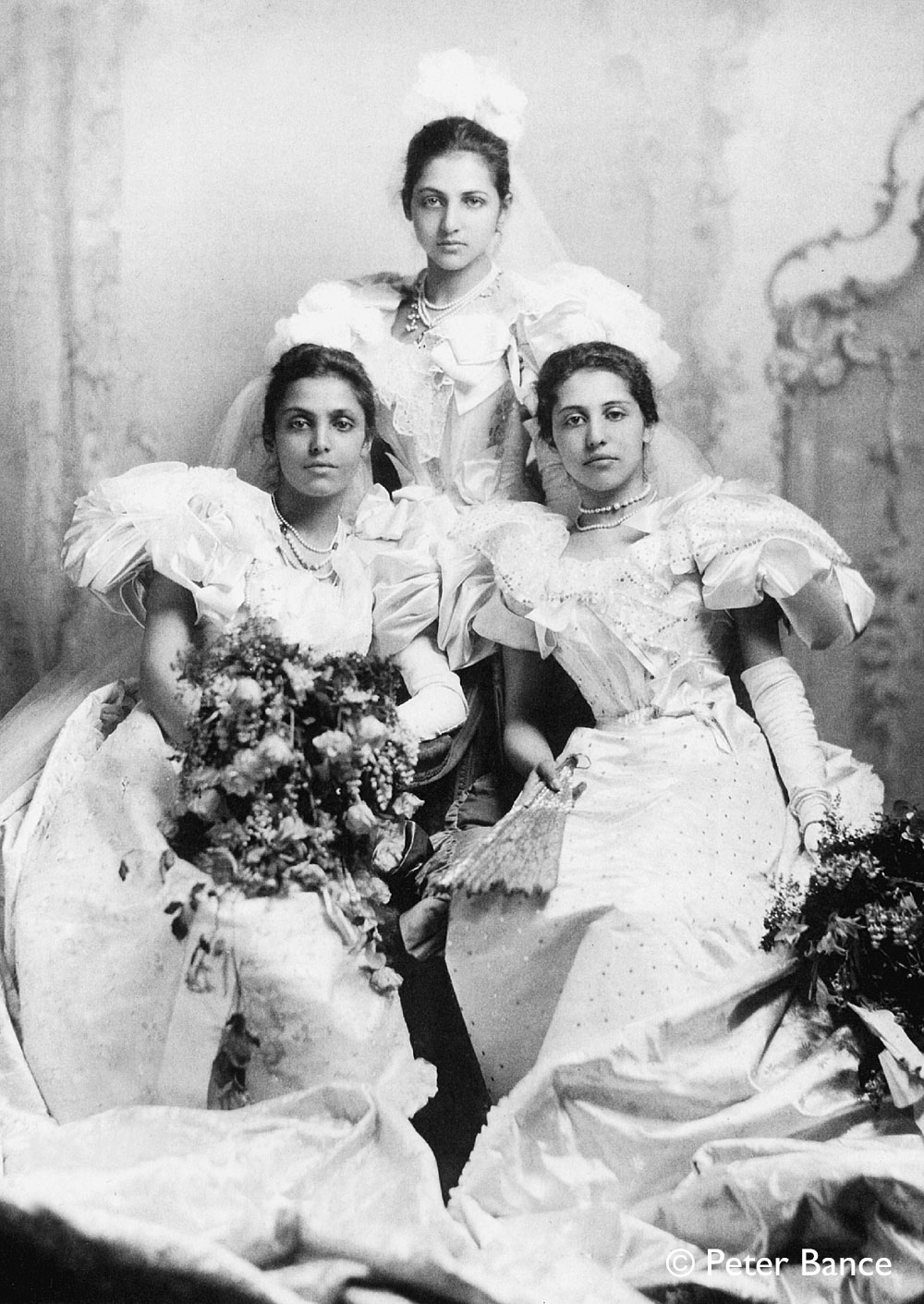
At Kensington Palace, history feels very different when told through the lives of the women who lived it.
The Last Princesses of Punjab brings together the stories of six remarkable women connected to Maharaja Duleep Singh, offering a more intimate perspective on the fall of the Sikh Empire, the legacy of British rule and the complicated question of identity.
Rather than focusing solely on Duleep Singh himself, the exhibition places women such as Maharani Jind Kaur, Princess Sophia Duleep Singh, Princess Bamba and Princess Catherine at the centre of the story. Through photographs, personal letters, clothing, jewellery and other objects, visitors are given a glimpse into lives shaped by displacement, privilege, politics and personal choice.
One of the exhibition’s strengths is the way it shows that there was no single way of being a Punjabi princess in Britain. Sophia became closely associated with the women’s suffrage movement, while her sisters followed very different paths. Their experiences reveal the tensions of belonging to a family whose history was deeply connected to Punjab while growing up within British society.
The story of Maharani Jind Kaur provides an especially powerful historical anchor. Separated from her young son after the annexation of Punjab, her journey from Maharani of the Sikh Empire to exile in Britain demonstrates the personal consequences of political upheaval. Seeing her story alongside those of the next generation makes the exhibition feel less like a traditional royal history and more like a story about a family living with the consequences of empire.
Sophia’s story is perhaps the most familiar, particularly because of her role in the British suffrage movement. But the exhibition benefits from not making her the sole focus. Her sisters’ stories add complexity and demonstrate the different ways the women responded to their circumstances, their heritage and the world around them.
There is also an interesting tension in the location itself. To explore the history of Punjab and the Duleep Singh family inside Kensington Palace inevitably raises questions about empire and power. The setting becomes part of the exhibition’s story, rather than simply a backdrop to it.
For British Punjabi audiences in particular, the exhibition offers an opportunity to see an important part of their history presented through personal stories rather than simply dates, battles and political events. For those less familiar with the history, it provides an accessible introduction to the people behind a significant period of British and Punjabi history.
What stays with you is not simply the grandeur associated with royalty, but the sense of lives interrupted and identities negotiated. These women inherited a complicated history, but they were not defined by it. Each found her own way of responding to the circumstances she had been given.
The Last Princesses of Punjab is therefore at its strongest when it allows these women to speak for themselves — through their belongings, correspondence and photographs — and reminds us that the story of Punjab’s last royal family did not end with the loss of a kingdom. It continued through the lives of the women who carried that history with them.
The Last Princesses of Punjab is now open at Kensington Palace until 8th November 2026 and is included with palace admission.
Book your tickets here: https://www.hrp.org.uk/kensington-palace/whats-on/the-last-princesses-of-punjab/
WRITTEN BY: Nura Arooj